Home Blog

A Guide to Self-Drive Family Safaris in East Africa

0
East Africa Parks

A self-drive safari in East Africa is one of the most exciting ways for families to experience nature, wildlife, and adventure together. Instead of traveling with a fixed tour group, families have the freedom to explore at their own pace while creating special memories along the journey.

From the wide plains of Kenya and Tanzania to the green forests and lakes of Uganda and Rwanda, East Africa offers countless opportunities for unforgettable family adventures. Traveling as a family on a self-drive safari allows parents and children to enjoy more flexibility during the trip.

Families can decide when to stop for photos, take breaks, enjoy picnics, or spend extra time watching animals in the wild. Children often enjoy the excitement of spotting elephants, giraffes, zebras, lions, and many other animals from the comfort of their safari vehicle.

East Africa also offers a variety of family-friendly accommodations, including lodges, campsites, and self-catering options that suit different budgets and travel styles. Although planning a safari with children requires preparation, it can become a rewarding and educational experience for the whole family. With proper planning, the right vehicle, and suitable destinations, a family self-drive safari in East Africa can become an adventure that children and parents will remember for many years.

Best East African Countries for Family Self-Drive Safaris

Kenya

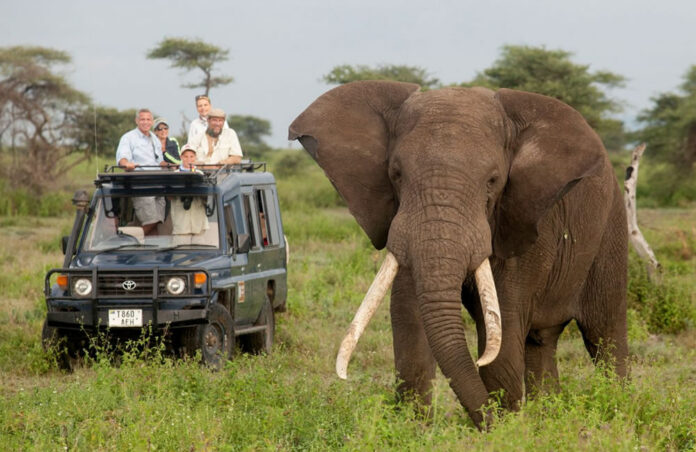
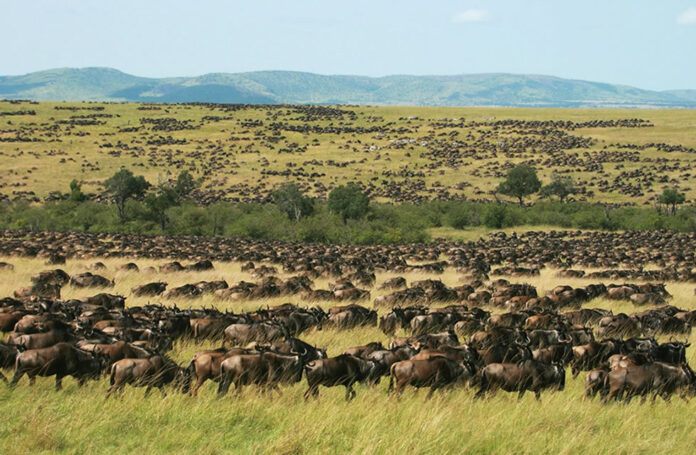
Kenya is one of the most popular safari destinations in Africa. Families can visit famous parks such as the Masai Mara, Amboseli National Park, Lake Nakuru National Park, and Tsavo National Park. Kenya has excellent wildlife viewing and many family-friendly lodges. Children often enjoy seeing large elephant herds in Amboseli with Mount Kilimanjaro in the background. The Masai Mara is famous for lions, cheetahs, giraffes, and the Great Migration.

Tanzania

Tanzania offers some of the best wildlife experiences in Africa. Families can explore Serengeti National Park, Ngorongoro Crater, Tarangire National Park, and Lake Manyara National Park. The Serengeti is famous for huge wildlife populations and endless open plains. Tarangire is known for elephants and giant baobab trees, while Ngorongoro Crater offers excellent wildlife viewing in a small area. Tanzania is ideal for families who want a classic safari experience with beautiful scenery.

Uganda

Uganda is perfect for families looking for a mix of wildlife, landscapes, and cultural experiences. Popular parks include Murchison Falls National Park, Queen Elizabeth National Park, Kibale National Park, and Lake Mburo National Park. Children usually enjoy boat cruises on the Nile River in Murchison Falls National Park where they can see hippos, crocodiles, elephants, and many birds. Uganda also offers beautiful scenery with mountains, lakes, waterfalls, and forests. Gorilla trekking is not allowed for children under 15 years, but there are many other family-friendly activities.

Rwanda

Rwanda is a small but beautiful country with clean roads and stunning landscapes. Akagera National Park is excellent for family game drives and boat trips. Rwanda is easy to explore because distances between attractions are shorter compared to other East African countries.

Why Choose a Family Self-Drive Safari in East Africa?

  1. Freedom to Travel at Your Own Pace

One of the biggest reasons families choose a self-drive safari in East Africa is the freedom it offers. Unlike guided group tours, families are not forced to follow strict schedules. Parents can decide when to start the day, where to stop, and how long to stay at each attraction. If children become tired, hungry, or need a break, the family can stop whenever necessary. This flexibility makes traveling with children much easier and less stressful. Families can also spend more time watching animals they enjoy most without feeling rushed by other travellers or tour guides.

  1. More Quality Family Time

A self-drive safari allows families to spend more time together privately. Instead of sharing a safari vehicle with strangers, parents and children enjoy the journey alone in their own vehicle. This creates a more relaxed and comfortable atmosphere during the trip. Families can talk, laugh, sing songs, play games, and enjoy meals together while traveling through beautiful landscapes. These shared experiences help families bond and create strong memories that children will remember for many years.

  1. An Educational Experience for Children

A family self-drive safari is not only a holiday but also a learning experience for children. During the safari, children can learn about wild animals, birds, plants, geography, and African cultures. Seeing elephants, lions, giraffes, zebras, and hippos in their natural habitat helps children understand nature better than reading about animals in books or watching television. Parents can teach children about wildlife conservation and the importance of protecting nature. Safaris also help children become more curious, observant, and respectful toward the environment.

  1. Adventure and Excitement

Children often love adventure, and a self-drive safari offers plenty of excitement. Every game drive becomes an adventure because families never know what animals they may see next. Spotting a lion crossing the road or elephants drinking water from a river creates unforgettable moments for both children and parents. Traveling through national parks, crossing rivers, driving on rough roads, and camping under the stars all add to the adventure. Many children find safaris far more exciting than ordinary holidays because every day brings something new and unexpected.

  1. Flexibility in Choosing Accommodation

Another advantage of a self-drive safari is the ability to choose accommodation that suits the family’s needs and budget. East Africa offers many family-friendly options, including safari lodges, tented camps, campsites, and self-catering cottages. Families can choose luxury lodges with swimming pools and playgrounds or affordable campsites for a more adventurous experience. Self-catering accommodation is especially useful for families with young children because parents can prepare meals and manage their own schedules. This flexibility makes the safari more comfortable for everyone.

  1. Opportunity to Explore Different Destinations

East Africa has many beautiful safari destinations that families can explore during a self-drive trip. In Kenya, families can visit the Masai Mara, Amboseli, and Lake Nakuru. Tanzania offers famous parks such as Serengeti and Ngorongoro Crater. Uganda has beautiful parks like Murchison Falls and Queen Elizabeth National Park, while Rwanda offers scenic landscapes and Akagera National Park. A self-drive safari allows families to combine different parks, cultural sites, lakes, mountains, and even beaches in one holiday. This variety keeps children interested throughout the journey.

  1. Budget-Friendly Travel Option

Self-drive safaris can be more affordable than luxury guided safaris. Families can control their travel budget by choosing where to stay, where to eat, and how long to spend in each destination. Camping and self-catering options can reduce costs significantly. Families can also avoid expensive private guided tours by driving themselves. This makes safari travel possible for more families who want to experience Africa without spending too much money. Even though there are still costs for fuel, park fees, and accommodation, self-driving often provides better value for larger families.

  1. Children Enjoy Being Part of the Journey

Many children enjoy helping during a self-drive safari. They can help spot animals, follow maps, count birds, or identify wildlife using guidebooks. This makes them feel involved and important during the trip. Some children even enjoy keeping safari journals where they write about the animals and places they see each day. Giving children small responsibilities keeps them entertained and helps them stay interested throughout the safari. It also encourages learning and teamwork within the family.

  1. Beautiful Scenery and Nature

East Africa is famous for its beautiful landscapes. Families can enjoy open savannahs, lakes, rivers, forests, mountains, and waterfalls during their safari. Driving through these natural areas allows children to experience the beauty of nature closely. Many families enjoy stopping at scenic viewpoints for photos, picnics, or short walks. Watching sunsets over the African plains or listening to birds in the morning creates peaceful and memorable moments. Spending time in nature also helps families relax and escape busy city life.

  1. A Chance to Disconnect from Technology

Modern life often keeps families busy with phones, television, computers, and social media. A self-drive safari gives families the chance to spend time together away from these distractions. Many safari areas have limited internet and phone signals, which encourages families to talk, play, and enjoy each other’s company more. Children can spend time outdoors instead of sitting in front of screens. This creates stronger family connections and allows everyone to focus on the safari experience.

  1. Safe and Family-Friendly Safari Experiences

Many national parks and safari lodges in East Africa are suitable for families with children. Parks usually have clear safety rules, good roads in major areas, and trained park rangers. Family-friendly lodges often provide activities for children, swimming pools, and comfortable family rooms. When parents follow safety guidelines and plan properly, a self-drive safari can be both safe and enjoyable for children of different ages. Choosing the right parks and accommodations helps make the trip smoother and more relaxing for the whole family.

How to Plan a Family Self-Drive Safaris in East Africa

  1. Choose the Right Country

The first step in planning a family self-drive safari is choosing the right country. East Africa has several excellent safari destinations, including Kenya, Tanzania, Uganda, and Rwanda. Families should choose a country based on their interests, budget, travel time, and the age of their children. Kenya and Tanzania are famous for large wildlife parks, while Uganda and Rwanda offer beautiful scenery and unique experiences. It is important to select destinations that are family-friendly and easy to explore by road.

  1. Pick the Best Time to Travel

The time of year can affect the safari experience. Dry seasons are usually the best because roads are easier to drive on and animals are easier to see near water sources. In East Africa, the dry seasons are generally from June to October and from December to February. Families should avoid heavy rainy seasons because some roads may become muddy and difficult to use. Traveling during school holidays also helps children enjoy the trip without missing classes.

  1. Choose a Suitable Safari Vehicle

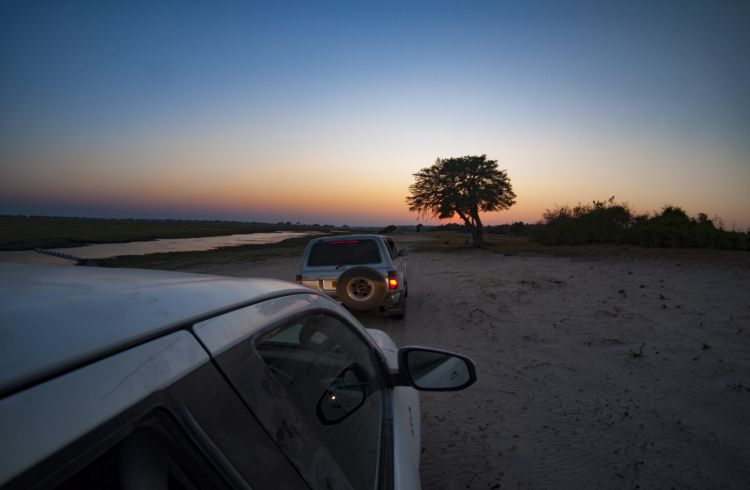
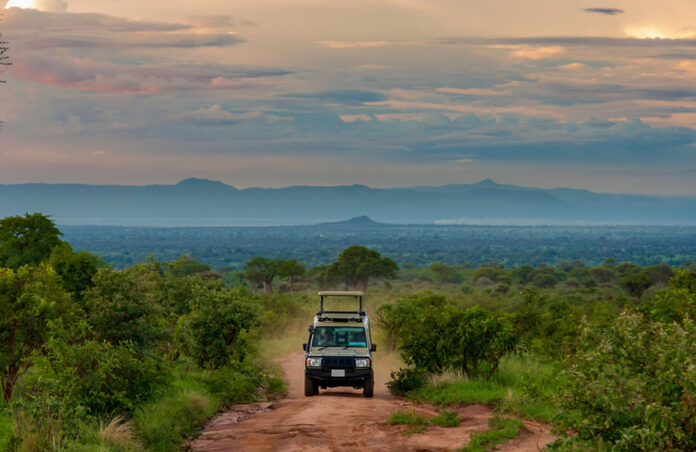
A good vehicle is very important for a successful family safari. Families should rent a reliable 4×4 vehicle because many safari roads are rough. Vehicles such as the Toyota Land Cruiser are popular for East African safaris. The vehicle should have enough space for passengers, luggage, snacks, water, and camping equipment if needed. Families with young children should also ask for child safety seats and air conditioning for comfort during long drives.

  1. Plan Short Driving Distances

Children can become tired during long road trips, so families should avoid driving for too many hours in one day. It is better to plan shorter travel distances and include enough rest stops along the route. Parents can stop at scenic viewpoints, picnic areas, or small towns to give children time to relax. A slower travel pace makes the safari more enjoyable and less stressful for everyone.

  1. Book Family-Friendly Accommodation

Families should carefully choose accommodation that is suitable for children. East Africa offers safari lodges, tented camps, campsites, and self-catering cottages. Parents should look for places with family rooms, safe environments, swimming pools, and child-friendly meals. Some lodges also provide activities for children such as nature walks or cultural experiences. Booking accommodation early is important, especially during busy travel seasons.

  1. Prepare Important Travel Documents

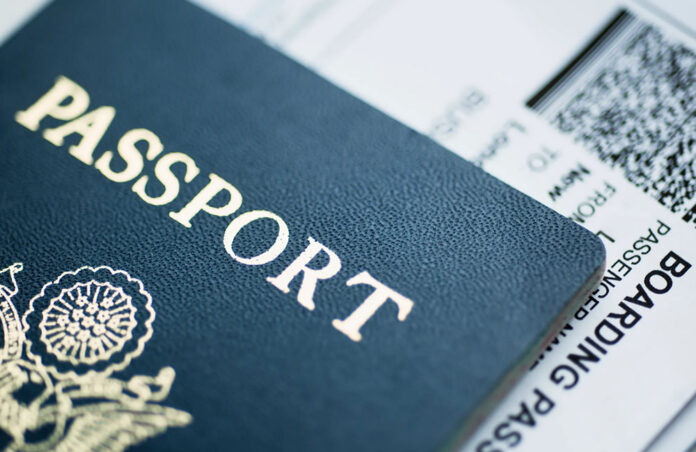
Before traveling, families should make sure all travel documents are ready. Passports should be valid, and visas may be required depending on the country. Parents should also carry travel insurance documents, vaccination cards, driving licenses, and vehicle rental papers. Keeping copies of important documents in different bags is also a good idea in case something gets lost during the trip.

  1. Pack Carefully for the Safari

Packing properly helps families stay comfortable during the safari. Parents should pack light clothes for warm weather and jackets for cool mornings and evenings. Other important items include hats, sunscreen, insect repellent, binoculars, cameras, reusable water bottles, snacks, and first aid supplies. Families traveling with children should also carry toys, books, games, and medicines to keep children comfortable and entertained during long drives.

  1. Learn Basic Safari Safety Rules

Safety is very important during a self-drive safari. Parents should teach children simple safari safety rules before entering national parks. Children should stay inside the vehicle during game drives unless it is safe to get out. Loud noises and feeding animals should always be avoided. At campsites and lodges, children should not walk alone, especially at night. Following park rules helps keep the whole family safe around wildlife.

  1. Plan Fun Activities for Children

Children enjoy safaris more when there are activities designed for them. Families can include game drives, boat safaris, bird watching, cultural visits, and nature walks in their itinerary. Parents can also make the safari more fun by giving children animal checklists, guidebooks, or simple cameras. Mixing wildlife activities with swimming or beach stays can help children stay excited throughout the trip.

  1. Stay Flexible and Patient

Not everything always goes exactly as planned during a safari. Roads may be rough, weather may change, or wildlife may not appear immediately. Families should remain flexible and patient during the trip. Sometimes unexpected moments become the best memories. Allowing extra time in the schedule helps reduce stress and gives families more time to enjoy the adventure together.

Conclusion

A family self-drive safari in East Africa is a wonderful way to explore nature, wildlife, and beautiful landscapes together. It offers freedom, flexibility, adventure, and valuable learning experiences for both parents and children.

With proper planning, the right vehicle, safe accommodation, and a relaxed travel schedule, families can enjoy a comfortable and memorable safari experience. East Africa has many family-friendly destinations with amazing wildlife, cultural experiences, and beautiful scenery.

Whether staying in lodges or camping under the stars, a self-drive safari creates unforgettable family memories. It is truly one of the best ways for families to experience Africa together.
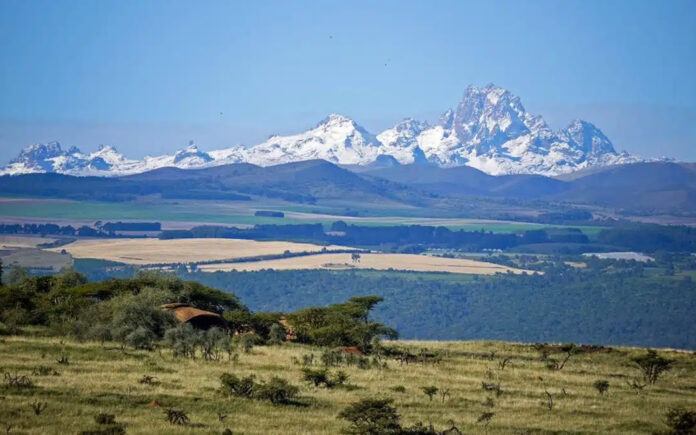
The Major Mountains in East Africa

0
Kilimanjaro Trekking

These mountains comprise of dramatic landscapes with rich bio- diversity systems and cultural significance, each of these stunning mountain offers a unique ecological zones and remarkable climbing experience. Below are the notable major mountains in East Africa.

Rwenzori Mountain

This mountain is with in Rwenzori Mountain National Park which was gazette in 1991 and recognized as world heritage site in 1994, it is situated in in Bundibugyo district it lies with in the western part of Uganda along Congo border. Covering an area of almost 996kilometers an altitude of 5109 meters above the snow level.

The park was fabled as mountains of moons by Ptolemy, an Alexandria geographer because of its striking stunning glaciers which shine just like little moons. Rwenzori Mountain is known primarily for its challenging hiking and climbing possibilities.

The Rwenzori Mountain owns the equatorial snow caped peaks including the third highest point in Africa called the Margherita (5109m) this destination is a good spot to the nature lovers offering numerous activities including hiking, guided nature walks, birding among others.

Mountain Ol Doinyo Lengai

Mountain Ol Doinyo Lengai is famously known as the difficult mountain to hike in East Africa, this active volcano mountain lies in the Arusha situated in the northern part of Tanzania almost (9.9mi) south of Lake Natron. It sits next to the escarpment of the Great Rift Valley closer to Ngare Sero waterfall and Lake Natron.

This unique physical feature consists of volcanic cone with two craters. history say that this mountain was formed by volcanism along the Gregory Rift.

The Sonjo and Maasai people often refer to this stunning “Mountain as the mountain of god” depicted with the traditional story that embodies of the god Engai who withdrew there after being hit by a hunter with the arrow. The Masai people term this mountain as a scared venue a site for worship and some ceremonial rites are conducted from there as well as place of safety to their god Enkai.

Mountain Elgon

This hidden gem is located within Mountain Elgon National Park which is known by the local people as Bamasaba, history say that Mountain Elgon had its major eruption many years ago and evident in the hot springs that still bubble out of the Calder floor.

Mountain Elgon is the eighth-highest mountain in Africa the hiking experience at this site rewards guests with remarkable memories as well as other activities like guided nature walks, community tours and many more.

Mount Kenya

This magnificent volcano mountain is ranked as the highest mountain in Kenya located within Mountain Kenya National Park on the eastern edges of the central highlands of Kenya.  Mountain Kenya is a UNESCO world Heritage site formed as a result of volcanic activity.

The region around this mountain consists of numerous fauna species namely elephants, buffaloes, antelopes among others and flora species including moorland Alphine vegetation with lush forest species that habit numerous bird species.

Mountain Meru

Mountain Meru is a good spot for mountain climbing located in northern Tanzania; it is ranked as the second highest mountain in Tanzania with its summit at almost 14,968 feet (45620). The mountain slopes rise above savanna grassland with the lush forest.

Hiking this stunning mountain takes approximately three- four days interesting at its peak there is a large horse shoe caldera, which was formed during its enormous eruption that happen long time ago, pay a visit to this destination for unforgettable experience.

Mountain Kilimanjaro

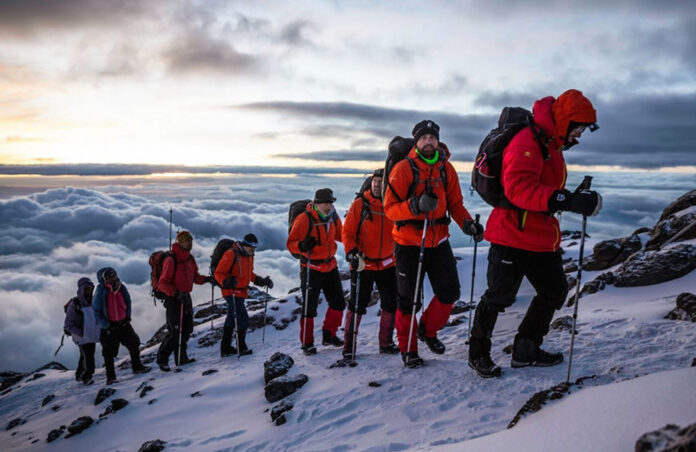
This mountain is famously known because of its tallest peak that stands at 19,341 feet above the sea level. It comprises of lush ecological system ranging from flourishing rain forest to barren alpine deserts as well a home to numerous fauna species such as leopards, buffaloes, elephants among others. The major adventure activity within the park is to Climb Mount Kilimanjaro and it is easy to combine the trek with big game safaris in Serengeti and Ngorongoro National Park.

Over 300 bird species call mountain Kilimanjaro their place of safety the notable seen birds include turaco, narina tagon, Klas’s Cuckoo eastern double -collared sun bird, Malachite sun birds, African pitta, silvery – cheeked horn bill, white necked raven, Hartlaub’s turaco to mention but a few.

Top 10 Things to Do in Kenya

0
Wild Mount Kenya

Kenya is one of Africa’s most captivating travel destinations, offering a perfect blend of wildlife, adventure, culture, and relaxation. From the sweeping savannahs of the Maasai Mara to the snow-capped peaks of Mount Kenya, and from vibrant coastal beaches to ancient Swahili towns, the country promises unforgettable experiences for every kind of traveler. Whether you’re dreaming of a classic Kenya safari, a mountain trek, or a beach getaway on the Indian Ocean, Kenya has it all. In this guide, we highlight the top 10 things to do in Kenya that should be on every visitor’s bucket list.

  1. Go on a safari in the Maasai Mara National Reserve

The Maasai Mara National Reserve is Kenya’s most iconic safari destination. It is world-renowned for the Great Wildebeest Migration (July–October), when millions of wildebeests, zebras, and gazelles cross from the Serengeti in search of greener pastures. The reserve is also home to the Big Five (lion, elephant, buffalo, leopard, and rhino) and over 450 bird species. Game drives at sunrise and sunset provide magical encounters, while hot air balloon safaris offer breathtaking aerial views of the savannah.

  1. Visit Amboseli National Park

Amboseli is famous for its large elephant herds and panoramic views of Mount Kilimanjaro, the highest mountain in Africa. The park features wetlands, savannah, and acacia woodlands, making it ideal for photography. The elephants here are remarkably tame, often posing against the backdrop of Kilimanjaro’s snow-capped peaks. Birdwatching is also rewarding, with over 400 species recorded.

  1. Relax at Diani Beach

Located along Kenya’s southern coast, Diani Beach is a tropical paradise with white sandy shores, swaying palms, and crystal-clear waters. It is perfect for swimming, sunbathing, snorkeling, scuba diving, and kite surfing. Visitors can also explore the nearby Kaya Kinondo Sacred Forest, visit marine parks, or take dhow sailing trips on the Indian Ocean. Diani is a great way to unwind after a safari

  1. Explore Nairobi National Park

Just a short drive from downtown Nairobi, Nairobi National Park is unique as it’s the only national park located within a capital city. Here, you can see lions, giraffes, zebras, rhinos, and over 400 bird species roaming freely against the backdrop of Nairobi’s skyscrapers. Nearby attractions include the David Sheldrick Elephant Orphanage and the Giraffe Centre, which are perfect for family-friendly wildlife experiences.

  1. Climb Mount Kenya

For adventurers, Mount Kenya offers thrilling trekking opportunities. At 5,199 meters, it is Africa’s second-highest mountain after Kilimanjaro. Trekkers can explore its diverse ecological zones – from bamboo forests to alpine meadows and glaciers. Popular routes include Naro Moru, Sirimon, and Chogoria, with options ranging from day hikes to multi-day climbs. Summiting Point Lenana (4,985m) is achievable for most trekkers and offers spectacular sunrise views.

  1. Discover Lake Naivasha

Nestled in the Great Rift Valley, Lake Naivasha is a freshwater lake surrounded by wildlife-rich landscapes. Visitors can take boat rides to see hippos, fish eagles, and kingfishers. Nearby Crescent Island Game Sanctuary allows for walking safaris among giraffes, zebras, and antelopes. The lake is also close to attractions like Hell’s Gate National Park and Mount Longonot, making it a perfect base for exploring the Rift Valley.

  1. Visit Hell’s Gate National Park

Known for its dramatic landscapes, Hell’s Gate offers towering cliffs, deep gorges, and geothermal activity. Unlike most parks, visitors can cycle or hike among the wildlife, which includes zebras, giraffes, and antelopes. The park inspired the landscapes in Disney’s The Lion King. Attractions include Fischer’s Tower, Obsidian Caves, and the natural hot springs at Ol Njorowa Gorge. Rock climbing and camping are also popular here.

  1. Explore Lamu Old Town

A UNESCO World Heritage Site, Lamu Old Town on Lamu Island is the oldest Swahili settlement in East Africa. With its narrow alleyways, carved wooden doors, and traditional dhows, it offers a glimpse into centuries-old culture. Visitors can explore the Lamu Museum, enjoy dhow sailing trips, and immerse themselves in the laid-back island lifestyle. Donkey rides replace cars here, preserving the town’s authentic charm.

  1. Visit Tsavo National Park

Together, Tsavo East and Tsavo West form one of the world’s largest wildlife parks. Tsavo East is famous for its red elephants, the Yatta Plateau, and the scenic Galana River. Tsavo West offers diverse landscapes, including Mzima Springs, where hippos and crocodiles can be seen underwater through a glass observatory. The park is also rich in history, known for the “Man-Eaters of Tsavo” lions that once terrorized railway workers.

  1. Experience Maasai & Samburu Culture

Beyond wildlife, Kenya is home to vibrant cultures. A visit to Maasai villages allows travelers to experience traditional dances, participate in beadwork, and observe the pastoralist lifestyles of these communities. In northern Kenya, the Samburu people offer unique cultural encounters with their colorful attire and traditions. Cultural tourism not only enriches travelers’ experiences but also supports local communities.

In conclusion, Kenya is more than just safaris – it is a destination of contrasts, where wildlife meets culture, mountains meet beaches, and tradition blends with modernity. Whether you’re chasing the Big Five, relaxing by the Indian Ocean, trekking mountains, or discovering Swahili heritage, Kenya offers an unforgettable adventure for every traveler.

Is It Safe to Self Drive in East Africa?

0
East African Safari Adventure

Going on a self-drive safari in East Africa can be a thrilling and memorable adventure, offering the freedom to explore stunning landscapes and wildlife at your own pace. It allows travellers to experience national parks, remote areas, and cultural sites without strict schedules. However, it also requires careful preparation to ensure a smooth and safe journey. While some travellers enjoy the independence, others prefer to combine self-driving with guided tours for added security. With the right planning, a reliable vehicle, and awareness of the surroundings, a road trip in East Africa can be a safe and rewarding experience.

Let’s break down everything you need to know to decide if a self-drive safari is safe

  1. Road Conditions

Road conditions in East Africa vary significantly. Major highways in cities and towns are often paved, but many roads leading to national parks and remote areas are rough, bumpy, or muddy. Some areas have gravel or dirt roads, which can become slippery during the rainy season. Potholes, washed-out sections, and poorly maintained roads can make driving challenging.

Off-road driving is common, especially inside national parks, where tracks may be unmarked or difficult to navigate. If you are not experienced in off-road driving, you may find it tough to handle certain routes.

  1. Traffic and Driving Culture

Driving in East Africa is different from many Western countries. In cities like Nairobi, Kampala, and Dar es Salaam, traffic can be chaotic, with many vehicles, motorcycles (boda bodas), and pedestrians sharing the roads. Drivers may not always follow traffic rules, and you need to be alert at all times.

In rural areas, roads are less crowded, but you may encounter slow-moving trucks, livestock, or wildlife crossing unexpectedly. Some drivers do not use headlights at night, making nighttime driving risky.

  1. Navigation and Signage

Road signs are limited in many areas, especially in rural regions and national parks. GPS and Google Maps can be helpful, but they may not always be accurate, especially in remote locations. Carrying a physical map, downloading offline maps, or using a local guide can help with navigation.

  1. Vehicle Choice

A reliable 4×4 vehicle is essential for a self-drive safari. Standard cars struggle on rough roads, especially in parks and during rainy seasons. A Land Cruiser or similar off-road vehicle with high ground clearance is ideal.

Before starting your trip, ensure your vehicle is in good condition with working brakes, headlights, and tires. Carry spare tires, a jack, and basic tools in case of breakdowns. Some rental companies provide satellite phones or radios for emergencies.

  1. Wildlife and Safety Inside National Parks

Driving through national parks brings you close to amazing wildlife, but it also requires caution. Animals like elephants, buffaloes, and lions may walk onto the road, and you should always give them space. Never leave your vehicle in the park unless allowed in designated areas.

Be extra careful around rivers and lakes, as crocodiles and hippos can be dangerous. Keep car windows closed when near animals, and avoid honking or sudden movements that might startle them.

  1. Fuel and Vehicle Repairs

Fuel stations are common in cities and towns but scarce in remote areas and national parks. Always fill your tank before heading to a park or rural region. Carry extra fuel if your route covers long distances without refuelling points.

Breakdowns can happen, so check if your rental company offers roadside assistance. In remote areas, mechanics and spare parts may be limited, making a well-maintained vehicle even more important.

  1. Security and Safety Precautions

While most tourist areas in East Africa are safe, some regions have security concerns such as carjackings or theft. Here are key safety tips:

  • Avoid driving at night, as roads can be dangerous, and visibility is poor.
  • Keep doors locked and windows closed when driving through cities or unfamiliar areas.
  • Do not leave valuables in plain sight in your car.
  • Research your route in advance to avoid high-risk areas.

It’s always good to ask locals or your lodge staff about road conditions and security before heading out.

  1. Border Crossings

If your safari includes multiple countries (e.g., Kenya and Tanzania), you’ll need the right documentation. This includes:

  • A valid passport and visa (if required).
  • Temporary vehicle imports permit.
  • International driving permit (recommended).
  • Insurance covering cross-border travel.

Border crossings can take time, so plan for delays and carry necessary paperwork.

  1. Weather and Seasonal Challenges

East Africa has dry and wet seasons, which affect road conditions and driving safety.

  • Dry season (June–October, December–February): Best time for a self-drive safari, as roads are dry and wildlife is easier to spot.
  • Rainy season (March–May, November): Roads become muddy and slippery, making driving more difficult. Some roads may flood or become impassable.

If traveling in the rainy season, a 4×4 with mud-ready tires is a must.

How to Prepare for a Self-Drive Safari in East Africa

A self-drive safari is a great way to explore nature, see wildlife, and enjoy freedom on the road. However, good preparation is necessary to ensure a safe and smooth journey. Here’s how to get ready for your adventure.

  1. Choose the Right Vehicle

A strong and reliable 4×4 vehicle is essential for a self-drive safari. Many roads in national parks and remote areas are rough, muddy, or rocky, so small cars are not suitable. A Toyota Land Cruiser or similar off-road vehicle is the best choice. Make sure the car is in good condition and has a spare tire, jack, and basic repair tools.

  1. Get the Right Documents

Before you start your trip, make sure you have all the necessary paperwork. You will need a valid driver’s license, car rental agreement, and insurance documents. If you plan to cross borders, you may need a temporary import permit for the vehicle. Some national parks require permits in advance, so check the entry rules before you go.

  1. Plan Your Route and Stops

East Africa has long distances between towns, fuel stations, and lodges, so it’s important to plan your journey in advance. Study a map and check the best routes to take. Some roads can be difficult to drive on, especially in the rainy season. Identify places to stop for fuel, food, and rest along the way.

  1. Pack Essential Supplies

Since you will be traveling in remote areas, it’s important to carry everything you need. Bring a first aid kit, spare tire, extra fuel, drinking water, and non-perishable food. A flashlight, headlamp, and power bank are useful for nights in the bush. If you are camping, pack a tent, sleeping bag, and cooking equipment.

  1. Learn Basic Car Maintenance

Breakdowns can happen in remote areas, so knowing basic car maintenance is helpful. Learn how to change a tire, check oil and coolant levels, and use a tow rope. If you are renting a car, ask the rental company to show you how to handle common issues before you leave.

  1. Understand Local Driving Conditions

Driving in East Africa is different from other places. In cities, traffic can be chaotic, and some drivers ignore traffic rules. In rural areas, you may find animals, slow-moving trucks, and pedestrians on the road. Always drive carefully, avoid speeding, and be prepared for unexpected situations.

  1. Know the Road Rules

In most East African countries, driving is on the left side of the road. Speed limits are different in towns, highways, and national parks, so watch for signs. Some police checkpoints may ask for documents, so always have them ready. Avoid driving at night, as roads are poorly lit and more dangerous.

  1. Be Prepared for Wildlife Encounters

In national parks, animals can appear on the road at any time. Always keep a safe distance from wildlife, especially elephants, lions, and buffaloes. Never leave your car except in designated areas. Avoid honking or making loud noises that could disturb animals.

  1. Ensure Personal Safety

While most tourist areas are safe, it’s important to take precautions. Keep your car doors locked and avoid stopping in isolated areas. Do not pick up strangers, and keep valuables hidden. If you need help, go to a police station or ask for assistance from a lodge or hotel.

  1. Check the Weather and Seasons

The best time for a self-drive safari is during the dry season (June–October and December–February) when roads are in better condition. In the rainy season (March–May and November), some roads become muddy and impassable. Always check the weather forecast before traveling.

  1. Stay Connected and Have Emergency Contacts

In remote areas, phone signals can be weak or unavailable. Carry a local SIM card for better network coverage, and download offline maps for navigation. If possible, rent a satellite phone or radio for emergencies. Know the emergency contacts for your car rental company, nearest hospital, and park authorities.

  1. Know When to Get a Guide

If you are new to driving in East Africa or feel unsure about rough roads, hiring a guide or driver can make the trip easier and safer. Many parks offer local guides who know the best routes and can help with navigation and wildlife spotting. 

Conclusion

A self-drive safari in East Africa can be a safe and rewarding experience if planned carefully. With proper preparation, a 4×4 rental, and attention to road and wildlife safety, you can enjoy a smooth adventure across Uganda, Kenya, and Tanzania.

These countries offer breathtaking landscapes, rich wildlife, and the freedom to explore at your own pace. Whether driving through the vast plains of the Serengeti, the rugged terrains of Bwindi, or the scenic routes of the Maasai Mara, a self-drive safari allows for a more personal and flexible experience. However, it is important to be well-informed about road conditions, park regulations, and driving customs in each country.

While some roads are well-maintained, others can be rough, requiring extra caution and good navigation skills. Being patient and adaptable will help make the journey more enjoyable.  With the right mindset and careful planning, a self-drive safari can be a safe, unforgettable adventure that offers a deep connection to East Africa’s natural beauty and diverse wildlife.

Exploring Masai Mara National Park of Kenya

0
Masai Mara Wildlife

Masai Mara National Reserve in Kenya is renowned as one of the premier wildlife destinations globally. Celebrated for its stunning landscapes, rich wildlife, and profound cultural heritage, this reserve provides an exceptional safari experience. Whether you are visiting for the first time or are a seasoned traveler, Masai Mara promises unforgettable experiences. The reserve is particularly famous for the Great Migration, during which millions of wildebeests and zebras traverse the Mara River in search of lush grazing grounds. In addition to this remarkable event, the park offers intimate encounters with the Big Five—lions, leopards, elephants, rhinos, and buffaloes—alongside a wide variety of other wildlife species. Masai Mara is not solely focused on wildlife; it also presents opportunities to engage with the Maasai people, one of Africa’s most distinguished indigenous groups.

To enhance your adventure, local tour operators provide expertly guided safaris that guarantee an immersive and seamless journey. With its breathtaking vistas, exhilarating game drives, and a spirit of adventure at every turn, Masai Mara is an essential destination for any safari enthusiast. Below are the key attractions that render this reserve a dream location.

The Great Migration – A Natural Wonder

One of the most exhilarating and remarkable spectacles in the Masai Mara is the Great Migration. Annually, more than 1.5 million wildebeests, accompanied by hundreds of thousands of zebras and gazelles, journey from Tanzania’s Serengeti National Park to Masai Mara in pursuit of fresh grazing opportunities. This natural occurrence stands as one of the most striking wildlife events globally.

The pinnacle of the migration is the renowned Mara River crossing, where countless animals leap into waters teeming with crocodiles, contending with powerful currents and predators lurking on the opposite bank. Witnessing these creatures navigate the perilous river while evading ravenous crocodiles is an awe-inspiring experience for any safari aficionado. Primate Safari Experiences offers guided game drives to guarantee that travelers can observe this extraordinary event from optimal viewing locations.

Home to the Big Five

Masai Mara stands out as one of the premier destinations in Africa for those seeking to encounter all members of the Big Five: lions, leopards, elephants, rhinos, and buffaloes. The expansive grasslands of the reserve serve as ideal hunting grounds for predators, establishing it as one of the finest locations globally to witness lions in their natural behavior.

Leopards, while often elusive, can frequently be observed resting in trees or pursuing prey during the early morning and evening hours. Large herds of elephants traverse the plains, and the elusive black rhino, though typically shy, may occasionally be seen in the reserve’s dense thickets. For wildlife enthusiasts, witnessing these magnificent animals in their natural environment is a remarkable experience. With Primate Safari Experiences, visitors benefit from expertly guided tours that significantly increase their opportunities to view these iconic species.

Exceptional Predator Sightings

Masai Mara is renowned for hosting one of the highest densities of predators in Africa. This reserve is particularly distinguished by its lion population, with prides frequently consisting of more than 15 members. Observing a pride of lions collaborating during a hunt or witnessing a cheetah racing across the plains at remarkable speeds is an exhilarating experience.

Alongside lions and cheetahs, hyenas, jackals, and leopards are also regularly seen within the reserve. The plentiful availability of prey in Masai Mara allows predators to remain close to their food sources, resulting in frequent sightings. Primate Safari Experiences offers expert guides who assist travelers in tracking and observing these predators in their natural habitats.

Hot Air Balloon Safaris – A Bird’s-Eye View

For an extraordinary experience, a hot air balloon safari above Masai Mara provides stunning aerial perspectives of the terrain and its wildlife. As dawn breaks over the expansive plains, visitors can observe herds of animals traversing the savannah, predators in pursuit of their prey, and the radiant beauty of the African wilderness from an elevated vantage point.

Typically concluding with a champagne breakfast in the bush, a hot air balloon safari stands out as one of the most opulent and unforgettable methods to explore Masai Mara. Primate Safari Experiences organizes these exclusive balloon excursions, guaranteeing travelers a unique adventure that they will cherish forever.

The Maasai Culture and Villages

A trip to Masai Mara would not be fully realized without immersing oneself in the vibrant culture of the Maasai people. Renowned as one of Africa’s most distinguished indigenous groups, the Maasai are celebrated for their striking clothing, distinctive jumping dance, and profound relationship with the natural world.

Visitors have the opportunity to visit Maasai villages, engage with community members, explore their customs, and observe their traditional performances. This cultural immersion fosters a greater appreciation of the harmonious existence the Maasai have maintained with wildlife over the centuries. Primate Safari Experiences offers cultural tours that enable travelers to connect with the Maasai in a respectful and impactful manner.

Stunning Scenery and Photographic Opportunities

The stunning vistas of Masai Mara render it an ideal haven for photographers. The golden savannahs, undulating hills, acacia trees, and striking sunsets offer opportunities for capturing exquisite moments at every corner.

From photographing a solitary elephant set against the scenic Mara River to the vivid hues of the Maasai warriors, photography aficionados will discover limitless inspiration within Masai Mara.

Year-Round Wildlife Viewing

Masai Mara distinguishes itself from certain other national parks that experience seasonal wildlife migrations by providing exceptional wildlife viewing opportunities year-round. Although the Great Migration takes place from July to October, the park is abundant with wildlife throughout the entire year.

Visitors can observe resident species such as lions, elephants, giraffes, and hippos at any time, guaranteeing a remarkable safari experience. Primate Safari Experiences specializes in customized safaris, allowing guests to visit during the most favorable times for optimal wildlife interactions.

Walking Safaris – A Close-Up Experience

For individuals seeking to explore the wilderness on foot, Masai Mara presents guided walking safaris that facilitate a close and personal interaction with the natural environment. Accompanied by knowledgeable Maasai guides, these excursions enable participants to gain insights into animal tracks, vegetation, and the smaller wildlife of the savannah that are frequently overlooked during game drives.

Walking safaris offer travelers a distinctive viewpoint of the reserve, fostering a deeper connection with nature in a more engaging and exhilarating manner.

Bird Watching Paradise

Masai Mara offers more than just the thrill of big game; it is also a haven for birdwatching aficionados. The reserve boasts an impressive diversity of over 500 bird species, featuring eagles, vultures, ostriches, and vibrant kingfishers.

Birdwatching enthusiasts have the opportunity to observe rare species, including the lilac-breasted roller, secretary bird, and the endangered grey-crowned crane. This rich avian diversity enhances the overall experience of any safari in Masai Mara.

Conservation and Sustainable Tourism

The Masai Mara serves as a central hub for conservation initiatives dedicated to safeguarding wildlife and the natural ecosystem. Numerous programs emphasize anti-poaching strategies, habitat protection, and the engagement of local communities in conservation efforts. By visiting the reserve, tourists play a vital role in supporting these initiatives, thereby helping to ensure that future generations will have the opportunity to appreciate the splendor of the Masai Mara.

Conclusion

Masai Mara stands as a premier safari destination, presenting an array of experiences that any wildlife enthusiast would find enchanting. From observing the Great Migration to encountering the Big Five and interacting with the Maasai community, Masai Mara promises an unparalleled adventure.

Things Not to Do on Tanzania Road Trip

0

A road trip to Tanzania is a once-in-a-lifetime experience. You will explore some of the most pristine national parks in the world, where wildlife roams freely, as it has for centuries.  However, with these natural wonders come important responsibilities. To help preserve these areas for future generations, it’s crucial to be mindful of key sustainability issues. Below are highlight of what not to do on your Tanzania adventure, providing you with practical tips to ensure your trip is enjoyable, environmentally friendly, and respectful of the wildlife and local communities.

DON’T ENCOURAGE YOUR GUIDE TO DRIVE OFF-ROAD

Our safari guides are strictly instructed not to drive off-road. While it may seem harmless to move a few meters closer to get a better view of a lion, this seemingly ‘small’ action can crush birds’ nests or kill small animals like lizards, snakes, frogs, or tortoises. With nearly a million visitors visiting Tanzania’s national parks each year, the collective damage can be devastating. Particularly with the high volume of visitors. For instance, the Serengeti alone attracts over 300,000 visitors annually. To ensure these precious ecosystems remain intact, it’s important to follow key guidelines. Because even small mistakes can lead to serious consequences

DON’T TAKE ANYTHING FROM THE PARKS

It may be tempting to take a bone, stone, or leaf as a memento from the park. However, removing anything from a national park disrupts the natural balance, especially when you consider the number of visitors doing the same. In addition to harming the ecosystem, it’s also illegal. Objects of natural origin are categorized as “forbidden souvenirs.” While on a beach vacation in Zanzibar, please resist the urge to collect seashells, starfish, or any marine life as souvenirs. With over a million people visiting Zanzibar annually, the impact on marine life can be immeasurable. If everyone takes a seashell, the entire ecosystem could be destroyed.

Also, Zanzibar’s customs service treats these items just like other forms of wildlife, and attempting to take them home can result in serious issues at the airport. For the sake of leaving the underwater world as it is, leave all marine wildlife where it belongs.

DON’T MAKE LOUD SOUNDS

If an animal isn’t paying attention to you, resist the urge to whistle, honk, or shout to get its attention these sounds are unnatural in the savannah and can stress or disturb the animals. Furthermore, this kind of behavior is disruptive to other safari-goers who are trying to quietly enjoy the experience.

NO FLASH PHOTOGRAPHY

If you plan a night, early morning, or late evening safari, avoid using your camera’s flash. In fact, don’t use it in the national parks at all. Bright lights can be extremely harmful to animals, especially nocturnal species. Animals like bush babies and leopards rely on their night vision to hunt and navigate. Flashlights can temporarily blind them, disorienting them and making it harder for them to survive in their environment

DON’T TAKE PHOTOS OF INDIVIDUALS WITHOUT PERMISSION

If you come across a Maasai warrior in traditional dress and want to capture the moment, always ask for permission first. Never photograph children without parental consent. While Tanzanian children, like kids everywhere, may be curious and seem willing, they often don’t fully understand what’s happening or what they’re agreeing to. Respect their privacy and dignity.

DON’T BUY SOUVENIRS FROM IVORY

If you are ever offered anything made from elephant tusks, always refuse. All ivory is strictly prohibited in Tanzania, and severe consequences await anyone caught with it at the airport.

DON’T LITTER

Ensure that any trash you have is handed to your guide. On safari, you may simply give it to a driver or dispose of the rubbish in a lodge.

When climbing Mt. Kilimanjaro, you’ll find special recycling bins, and our staff carries bags for waste collection. After each expedition, all trash is properly disposed of in a sustainable manner.

DON’T FEED THE ANIMALS

While it might seem harmless to give a monkey an apple, feeding animals causes more harm than you think. Human food can be dangerous for wildlife and encourages dependency on tourists. This often leads to aggressive behavior. In Tarangire National Park, for example, monkeys have been known to snatch food from visitors, biting and scratching them in the process, in some cases, rangers have been forced to shoot overly aggressive animals. To prevent this, never feed the wildlife.

AVOID DRESSING INAPPROPRIATELY

On mainland Tanzania, revealing clothes may raise a few eyebrows but generally won’t cause much trouble. However, in Zanzibar, with its predominantly Muslim population, dressing modestly is more important, especially in places like Stone Town. While you’ll be fine in beachwear along the coast, it’s best to dress more conservatively during city trips. Show respect for local customs by avoiding overly revealing attire.

DONT SUPPORT ILLEGAL BEHAVIOR

If you witness anything concerning during your trip, such as child exploitation, harassment, or any other illegal activity, please inform your guide immediately. They will pass the information on to us, and we will ensure it reaches the appropriate authorities. Your vigilance helps protect the community and its most vulnerable members.

AVOID CERTAIN HOTELS WITH WILDLIFE ON SITE

Some businesses in Tanzania falsely present themselves as wildlife advocates by keeping wild animals on their premises under the guise of rehabilitation. They often allow visitors to pet the animals and take pictures, but this is deceptive. In reality, there isn’t a single certified private wildlife rehabilitation facility in Tanzania—all legitimate operations are managed by the Tanzania Wildlife Research Institute. Such hotels exploit wildlife to attract tourists, and when the animals grow too large, they are often sent to zoos or hunting reserves

Conclusion

A road trip through Tanzania offers an incredible opportunity to explore stunning landscapes and diverse wildlife, but it also comes with the responsibility to protect and respect the environment and local communities. By avoiding actions like off-roading, disturbing wildlife, and supporting unethical practices, you can ensure that your visit contributes positively to the country’s conservation efforts and supports sustainable tourism. Follow these simple guidelines to make the most of your journey while preserving the beauty of Tanzania for future travelers.

One Way Car Rental In East Africa: Cost

0

Renting a one-way car in East Africa generally incurs additional costs compared to a round-trip rental due to the complexities involved in returning the vehicle to a different location. The overall expense includes a drop-off fee, which varies depending on factors such as the rental company, the distance between the pick-up and drop-off points, and any specific cross-border travel requirements. To get an accurate estimate, it’s important to consult rental agencies directly and understand their pricing structure and any extra charges that may apply. 

FACTORS INFLUENCING COST

The cost of a one-way car hire in East Africa is influenced by a variety of factors. Understanding these factors can help you make an informed decision, manage your budget effectively, and avoid unexpected expenses. Here’s an in-depth explanation of the key factors influencing the cost of car rentals in this region:

  1. Type of Vehicle

The type of vehicle you choose significantly impacts the rental cost. Vehicles are categorized into several types, each with different rental rates:

  • 4x4s (LX, V8, PRADO): Popular for safaris and rough terrain, 4x4s are more expensive due to their enhanced capabilities and larger size. Daily rental rates for 4X4 typically range from $100 to $200. This category includes vehicles suited for both urban and off-road conditions, which makes them versatile but pricier.
  • Luxury Safari Land Cruiser Vehicles: For those seeking a high-end experience, luxury vehicles come with a premium cost. Daily rental rates for luxury cars can range from $180 to $300. These vehicles offer advanced features, superior comfort, and higher performance, contributing to their higher rental cost.
  1. Rental Duration

The duration of the rental period affects the overall cost. Generally, longer rental periods come with lower daily rates compared to short-term rentals:

  • Short-Term Rentals (1-3 Days): These often have higher daily rates due to the short rental period. Rental companies might charge more per day because they need to account for the quick turnaround and increased administrative costs.
  • Long-Term Rentals (7 Days or More): Renting a car for a week or more usually results in a lower daily rate. Many rental companies offer discounts for longer rental periods, making it more cost-effective if you plan to rent the vehicle for an extended duration.
  1. One-Way Rental Fees

One-way rentals, where you pick up the car at one location and drop it off at another, typically incur additional fees. These fees are charged to cover the cost of repositioning the vehicle and can vary based on:

  • Distance: The cost of one-way rental fees often depends on the distance between the pickup and drop-off locations. Longer distances usually result in higher fees because of the increased logistics involved in retrieving the vehicle.
  • Rental Company Policies: Different rental companies have varying policies regarding one-way fees. Some might offer lower fees for popular routes or have promotional offers, while others may charge a premium for one-way rentals.
  1. Insurance Coverage

Insurance is a crucial aspect of car rentals, and the level of coverage you choose can affect the overall cost:

  • Self Drive East Africa provides comprehensive and third-party insurance as standard with all car rentals. This Insurance Policy covers ONLY, Head on Collusion and theft for the motor vehicle. The policy does not cover any damage caused by negligence such as driving under the influence of alcohol, wheels/trims, cigarette burns (Our vehicles are all non- smoking), punctures, damage to radio covers, badges, passing through water and the engine knocking etc. This policy does not cover Personal Life Insurance for the occupant. The Renter is advised to come with a life insurance policy from his / her home country.
  1. Fuel Costs

Fuel costs are not included in the rental fee and can vary based on your driving habits and the vehicle’s fuel efficiency:

  • Fuel Policy: Rental companies usually have specific fuel policies. Some require you to return the vehicle with a full tank, while others might offer prepaid fuel options. Understanding the fuel policy can help you manage costs effectively.
  • Fuel Prices: Fuel prices in East Africa vary significantly by country and location, with average prices generally ranging from USD 1.25 to USD 1.70 per liter. This variation is influenced by factors such as local taxes, import duties, and transportation costs. In countries like Uganda and Rwanda, prices tend to be on the lower end of this spectrum, while in Tanzania and Kenya, they are often higher. Regional disparities and fluctuations in global oil prices also contribute to these variations, making it essential for travellers to check local rates regularly.
  1. Location-Specific Factors

The cost of renting a one-way car can vary depending on the location:

  • Urban vs. Rural Areas: Renting from a major city or airport location may be more expensive due to higher demand and added convenience. Rural locations may offer lower rates but could have fewer vehicle options.
  • Cross-Border Travel: If your rental involves crossing international borders, check if the rental company allows it and if any additional fees or paperwork are required. Cross-border rentals may come with extra charges and specific insurance requirements.
  1. Seasonal Variations

Rental prices can fluctuate based on seasonal demand:

  • Peak Season: During high travel seasons, such as holidays or peak tourist periods, rental prices may increase due to higher demand. Booking early can help secure better rates during these times.
  • Off-Peak Season: Prices might be lower during off-peak periods when demand is reduced. Renting during these times can result in cost savings and potentially better vehicle availability.

TIPS FOR RENTING A ONE-WAY CAR IN EAST AFRICA

Renting a one-way car in East Africa can be a practical solution for travellers who wish to explore multiple destinations without the hassle of returning to their original location. However, it comes with specific challenges and considerations. Here’s an in-depth guide with tips to help you navigate the process effectively.

  1. Understand the One-Way Rental Concept

One-way car rentals involve picking up a vehicle at one location and dropping it off at another. This type of rental can be convenient for long trips or multi-destination travel. However, it often incurs additional fees due to the logistics involved in repositioning the vehicle. Understanding these dynamics will help you plan better and avoid unexpected costs.

  1. Book Early for the Best Rates

Booking your one-way rental car as early as possible is crucial. Early bookings generally offer better rates and a wider selection of vehicles. Rental companies often have promotions or discounts for early reservations. By securing your vehicle in advance, you can avoid the higher costs and limited options that might be available closer to your travel dates.

  1. Compare Rental Companies

Not all car rental companies offer the same rates or terms for one-way rentals. It’s essential to compare different providers to find the best deal. Use comparison websites and check customer reviews to gauge the reliability of each company. Look for factors such as:

  • Rental Rates: Compare daily rental fees and one-way charges.
  • Vehicle Selection: Ensure the company offers the type of vehicle you need.
  • Insurance Options: Review the insurance coverage provided and available add-ons.
  • Customer Service: Consider the quality of customer service based on reviews.
  1. Check for Hidden Fees

One-way rentals often come with hidden fees beyond the daily rental rate. Make sure to read the rental agreement thoroughly to understand all potential charges, including:

  • One-Way Fee: This is a charge for dropping off the vehicle at a different location, and it can range significantly depending on the distance and rental company.
  • Mileage Charges: Some rentals have a mileage limit, and exceeding it can incur additional fees.
  • Insurance Costs: Basic insurance may be included, but additional coverage for collision damage or theft might cost extra.
  • Fuel Policy: Check if you need to return the car with a full tank or if there are other fuel-related charges.
  1. Understand Insurance Coverage

Insurance is a crucial aspect of renting a vehicle. While most rental companies include basic insurance, it may not cover all potential issues. Consider the following:

  • Collision Damage Waiver (CDW): Covers damage to the rental vehicle. Verify the coverage limits and any deductibles.
  • Third-Party Liability Insurance: Covers damages or injuries to third parties. Ensure it meets local requirements.

Evaluate your insurance needs and decide if additional coverage is necessary for your trip. If you have travel insurance or credit card coverage, check if it provides rental car insurance and if it covers one-way rentals.

  1. Plan Your Route

Your route will influence the cost and feasibility of a one-way rental. Consider the following:

  • Distance: Longer distances typically incur higher one-way fees. Plan your route to minimize costs and ensure that it aligns with rental company policies.
  • Road Conditions: Research the road conditions and any potential challenges along your route. This will help you choose a suitable vehicle and avoid unexpected delays.
  • Border Crossings: If traveling between countries, check if the rental company allows cross-border travel and if any additional paperwork or fees are required.
  1. Inspect the Vehicle

Before driving off, conduct a thorough inspection of the rental vehicle:

  • Exterior and Interior Condition: Check for any pre-existing damage and ensure it’s documented by the rental company. Take photos if necessary.
  • Functionality: Test all essential functions, such as lights, brakes, and air conditioning, to ensure the vehicle is in good working order.
  • Equipment: Ensure that any additional equipment you requested (e.g., GPS, child seats) is present and in good condition.

Report any issues to the rental company immediately to avoid being held responsible for damage that wasn’t caused by you.

  1. Review the Rental Agreement

The rental agreement is a legally binding document that outlines the terms and conditions of your rental. Key points to review include:

  • Rental Duration: Confirm the pickup and drop-off dates and times.
  • Charges and Fees: Verify all costs, including daily rates, one-way fees, and any additional charges.
  • Return Policy: Understand the policies for returning the vehicle, including the condition it should be in and the return location.
  • Emergency Contact Information: Keep the rental company’s contact details handy in case of any issues during your trip.
  1. Plan for Fuel Costs

Fuel is an additional cost not included in the rental fee. To manage fuel expenses:

  • Know the Fuel Policy: Understand whether you need to return the car with a full tank or if other fuel arrangements are in place.
  • Estimate Fuel Consumption: Calculate the estimated fuel consumption for your trip based on the vehicle’s fuel efficiency and your route.
  • Refuel Strategically: Refuel at local stations to avoid higher prices at remote or airport locations.
  1. Prepare for Unexpected Issues

Despite thorough planning, unforeseen issues can arise. Be prepared by:

  • Carrying Contact Information: Have the rental company’s contact information and roadside assistance number readily available.
  • Understanding Local Driving Conditions: Familiarize yourself with local driving laws and road conditions to navigate safely.
  • Having a Backup Plan: Be prepared for potential changes in your itinerary or vehicle issues. Know your options for extending the rental or finding alternative transportation if needed.
  1. Return the Vehicle Properly

Returning the vehicle in good condition and on time is crucial to avoid extra charges:

  • Clean the Vehicle: While not always required, returning the car in a clean state can help avoid cleaning fees.
  • Check for Personal Belongings: Ensure you don’t leave any personal items behind in the vehicle.
  • Complete a Return Inspection: If possible, complete a return inspection with a rental company representative to document the vehicle’s condition and confirm that there are no additional charges.

Conclusion

Renting a one-way car in East Africa typically incurs extra costs due to the logistical complexities of vehicle drop-off at a different location. To ensure accurate budgeting and avoid unexpected expenses, it is crucial to directly consult rental agencies for detailed quotes and to understand their specific fees and policies related to one-way rentals.

7 Ways to Travel More and Maximize Limited Vacation Time

0

7 Tips for How to Travel More with Limited Vacation Time In Africa
Apparently, all people would need vacations, time off work to travel the world and spend time with their loved ones. But there is limited time off which exerts a lot of pressure on how to do it right. Whether it’s one week off or three weeks, there is a way to make that time feel abundant.

A one week vacation can seem much more if well planned. There are plenty of ways to get out and see the world without having to be a long time traveler. Staying home in the vacation time in the name of limited time is just a weak excuse.

In this busy world, the would-be globetrotters wonder how to maximize a handful of the vacation days, whether a weekend escape or a lifetime trip.

  1. Plan ahead.
    Planning the time off in advance simply means that there is that trip that is looked forward to. Most travelers anticipate the trip because it is also as exciting as taking the trip itself. Planning in advance gives better chances of getting time-off requests approved earlier and enables a traveler to save enough on hotels, cars and much more.The ones that don’t love solo travelling get all the time to check on the groups that are likely to travel in the same time to allow them have fun filled and interesting activities at a fraction cost.
  2. Have a personal bucket list.
    At every start of the year, draft a travel bucket list, places that you so much want to tour. It’s true that the whole world cannot be traveled in just one or two weeks, but that does not mean that travelers should not prioritize their dream destinations. A 9 days wildlife safari in Uganda cannot take you around the whole country, but it’s simply enough for a gorilla safari in Bwindi impenetrable national park if it was on the must do things in Uganda.
  3. Travel to near places.
    One common mistake among the holiday makers is thinking that traveling is going thousand miles away from home. Regardless of the distance moved, whether close or far, it is still a trip and doubtlessly, there are interesting places within a driving distance that you have not been to yet.
  4. Be a local tourist.
    When did you last have a trip in your own country? Choose to be a domestic tourist. It is now a guarantee that there is a lot which most travelers don’t know about their home countries simply because on every thought of a vacation, all they can think of is a trip outside their own country. Yes, this is not bad, but because of maximizing the limited time off work, a domestic trip would be so appropriate.
  5. Take a red eye (overnight) flight back home.
    This allows travelers to spend most of their last days enjoying other than waiting at the airport. Truly overnight flights are not so fun, but they save a lot of transit time. For vacationists that are maximizing their holidays to enjoy even the very last minutes of the trip love red eye flights more than anyone.
  6. Extend business trips.
    If in any place for a business trip, it’s often not too hard to extend that trip for a day or two to have more time to venture into that destination where the business conference or meeting was held. Or maybe a stopover somewhere can be added before heading home.
  7. Opt for weekend getaways.
    Sometimes it’s better to spend a weekend somewhere never been before. Those two weekend days are still enough to tour a town or city close to your home. Saturday and Sunday isn’t a lot of time, but a few days somewhere is far better than no days anywhere. Incorporating more weekend trips gives you enough time to travel to fewer remaining destinations on your bucket list when you finally get your time off work.

If you ever wanted to make the most of the limited vacation time, follow those simple ways, a seven days leave will seem way much than the usual seven days. Remember, you can’t get the best out your limited time if you don’t use it at all.

Why Should i Hire a Car with a Driver in Uganda?

0
Driver Hire in Uganda

Hiring a car with a driver comes with enormous benefits. Professional driver services are essential when it comes to road trips in Uganda or any destination. Professional drivers can take you to your destination without you worrying about getting lost along the way.

Professional drivers are knowledgeable about the shortcuts to your destinations and also how to cut off the traffic thus enabling you to get there on time. Renting a car with a driver in Uganda is the best option that guarantees you a safe and secure road trip. Here are the main reasons why you should hire a car with a driver.

Knowledge about the destination

Having a professional driver take you on your road trip guarantees you exceptional experience. Drivers come with a wealth of knowledge not only for the routes or on how to address mechanical issues but also where you plan to visit for a holiday. You may rely on internet but drivers come with informed point of view. They have traveled and explored most of these destinations and appreciated what they offer.

Getting there becomes easier when you are with a professional driver. He or she will take enriching routes to your destination. They know where and when to make a stopover, the best restaurants to have a meal or drink from, the ideal hotel or safari lodge where you will spend a night from.

Professionalism

Obtaining Uganda car hire with a tour guide or driver is a perfect way to go about a safari in Uganda or Rwanda. Choosing tour driver services means you will be guaranteed of professional service provision. The driver assigned to take visitors on a road trip are well-trained, experienced with vast visitor handling skills. Beyond visitor handling skills and experiences, professional drivers come with vast knowledge about destinations as well as basic handling skills in case of mechanical issues.

Travel stress free

Traveling in a new destination can be stressing and frustrating, but hiring a driver can your savior. The local/ground drivers know how to maneuver through traffic or when the routes are closed. Rent a car plus driver services and enjoy a road trip full of freedom. Deal away with stress by securing your rental car and the driver services.

Safety

The fact is the drivers are familiar with the kind of routes leading to the tourist sites you intend to visit. They have travelled through these routes multiple times. The beauty about professional drivers is that they are observant on the health and safety policies or measures.

While driving, they are mindful of other road users. As a result, you the client and the others are all safeguarded as you get around your destination. Laws or regulations are observed and interestingly, they have used the routes severely meaning they are better informed than if you drove for the first time on the same route.

Additionally, all tour company drivers undergo intense driver training as compared to the rest of the other road users. If you plan to visit Uganda anytime for a holiday, we recommend that you always consider hiring a car with a professional driver from the tour company. Safari or tour companies have evidence of their drivers undergoing further training which increases your safety levels on your road trip.

Language barrier

Traveling first time in the destination can be challenging, especially where you want to interact or inquire about something and people aren’t understanding English. It should be noted that while English is an official language, not everyone can speak it. This is especially in the remotest areas.

Having a driver take you on your safari is of great advantage as he or she understands the local language. He can serve as an interpreter to you thus making your interaction easier with the local people in their communities. Even while you walk in the community, you have some confidence or if you want to make local transactions, you won’t be exploited.

Mechanical knowledge

Anything can happen on a road trip and can be a puncture of the car tyre. At this point, replacement or need to change will be the only option. With driver available, you won’t get stranded as he or she can take the role of the mechanic.

The advantage about drivers is that they have basic mechanic skills as it is a special requirement of any professional tour company driver. Not only can this save you much time, but also you won’t be conned by mechanics who often tend to raise fake mechanical issues.

Time management

Time management is essential when it comes to safaris. Professional tour company drivers are always cautious of time. They keep time in that during pick up, they can be available as guided by your travel itinerary. En-route to your destination, there is no room to waste much time taking a wrong route.

Roads and signage

Navigating through the main roads is easier with drivers as they are aware of the signage. When you off the main road where conditions are poor, they know how to go about it unlike if you are the one driving for the first time. The road condition can become worse when it rains, a reason you need the professional tour company driver.

Saves you from liability

Having driver services can save you from incurring cost on any damages. The company takes responsibility since the vehicle is handled by their drivers.

Freedom to enjoy

You get relieved from so many things and only concentrate on exploring what your destination has to offer the world. You and your colleagues sit back and enjoy your road trip free of stress. All the attention is put on matters of your road trip unlike when you are on a self-drive where it can divided.

Game viewing

Game drives or game viewing is best enjoyed with company of an experienced driver guide. Having a driver on a game viewing tour allows you explore enriching spots with abundant wildlife. Drivers know the best game tracks to explore that guarantee visitors a thrilling wildlife encounters.

In conclusion, hire a car with a driver and enjoy ultimate freedom on your road trip in Uganda. Professional driver services come with enormous benefits including safety on the road, problem-solving, time management and others.

Tips For Lost Passport Abroad

0
Lost Passport

Picture that before traveling abroad, you were certain to check that you have all the crucial Travel documents (including a passport). However, just shortly after arriving to your safari destination, you are met with the most unpleasant surprise: “your passport appears to have disappeared”. What would you do? This is inevitable and in a split second, and can cause problems big time. If it happens, what do you do?

Many travellers don’t experience any trouble whilst on Uganda safaris, but it is worth understanding the important tips on what to do if you lose your passport abroad. Losing something as important as a passport while abroad can be a stressful experience, but it is advisable to remain calm. Therefore, here are the few tips on how to go about it;

Report your lost or stolen passport at the local Police Station

The first and most important tip is to get a police report on your lost or stolen passport. To be on a safer side, it is best to do it immediately and certainly within a day if possible. This report is crucial when with or without money as well as identification while abroad. It is important to show your police report while applying for your emergency passport.

Do you know the importance of reporting to Police? Well, this will protect you in case of misuse of your passport, and therefore you should be able to describe the circumstances of the loss on the police report.

Report the loss of your passport at the nearest Embassy/Consulate

Besides the Police, you should also report the loss or theft of your passport at the nearest Consulate/Embassy of your country of Citizenship. Make sure to explain your situation to them, present the Police report and in so doing, your details can be traced on their system. Citizens of certain countries (such as British Nationals) will be required to pay for an Emergency passport. Interestingly, you can purchase a new one at this stage if you have enough money on you. However, this shouldn’t worry you because the Consulate/Embassy can issue a stamped confirmation of your passport details. Citizens of other countries like Canada and Australia can report loss of passport online. If you have copies or scans of your passport, make sure to enclose them in your report.

While at the Embassy, staff should also be able to provide you advice on legal representation, if required. It is also important to note that the Consulate/or Embassy documentation will provide support for your travel insurance claim.

Work on replacing your lost passport

We understand that requesting for a new passport will take time, so as to return back home. However, you will at least be guaranteed of an emergency passport instead of the regular passport. Remember that this emergency travel document will be valid for a limited period and normally for a special journey.

How to keep your passport (or any other travel documents) safe while traveling

There are a number of easy but important precautions that any traveler can take to avoid or minimize the outcome of passport loss abroad and they include;

  • Always photocopy and scan (three to four photos) of all your travel documents- passport, National ID Card, certificate of Insurance, flight e-tickets and others prior of traveling. You will definitely need them when you lose or have your passport stolen abroad and need replacement.
  • Send the photocopies and scanned copies of your travel documents to your email address, and can be printed when required.
  • Safely keep a copy of all your travel documents with you. After photocopying and scanning, and sending copies to your email address, make sure to keep some copies with you.
  • Avoid carrying original travel documents wherever you go but instead keep in the Hotel/Safari Lodge room. Only take the originals when you need them.

Conclusively, losing a passport while abroad is a major inconvenience but knowing what to do and taking the required procedures can go a long way in getting back on track fast and safely. Following tips for recovering lost passport abroad is a reactive measure but the tips for keeping your passport and staying vigilant is a proactive decision to ensure your safari experience is stress-free, enjoyable and unforgettable.

Top Reads